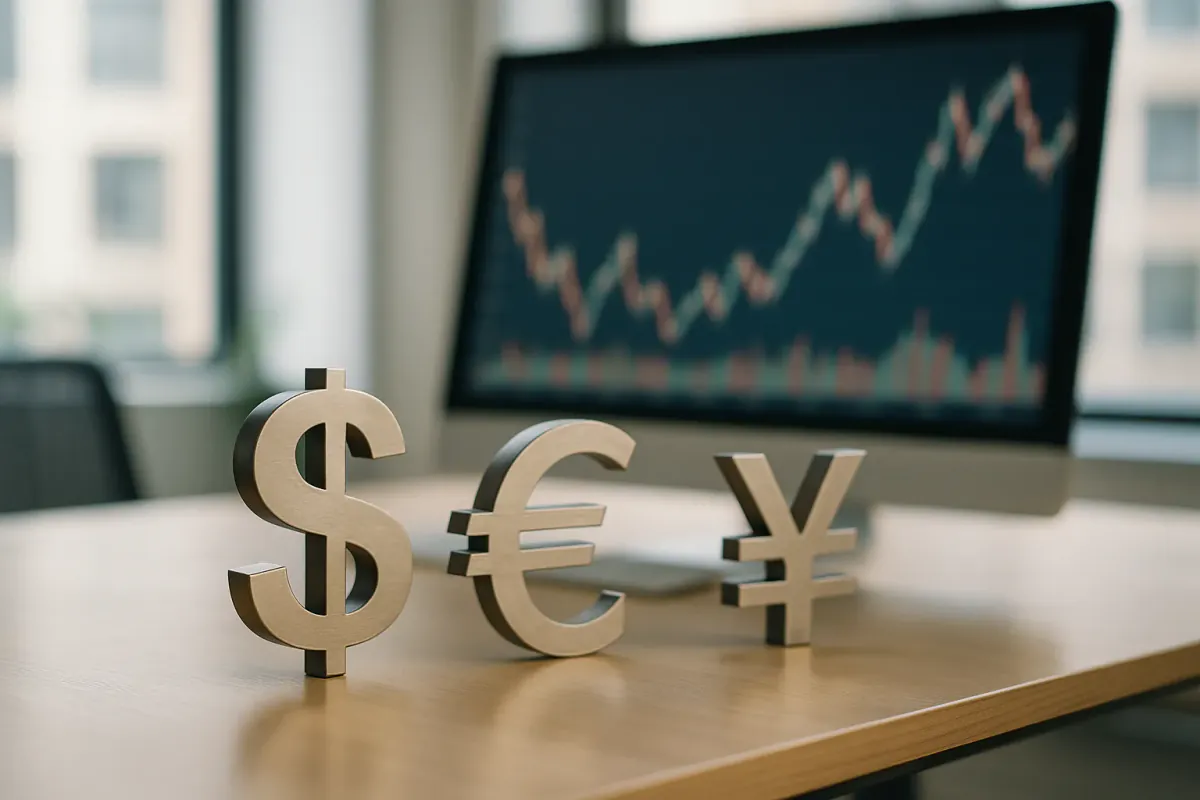
Exchange Rate Volatility: Hidden Costs Unveiled
Exchange rate volatility is not merely a concern for importers and exporters. It permeates every corner of the global economy, affecting businesses, investors, and ordinary consumers alike. As the Federal Reserve plans to hold rates steady in July with a possible hike in September, focus shifts to another pressing issue: currency instability. How does this volatility truly impact markets and portfolios?
Why Currency Volatility is Crucial Now?
Currency volatility has long been the playground for speculators, but it has recently gained a new prominence due to global economic uncertainty. Core inflation rate hit 3.4% in May, the highest since October 2023, according to the Fed's preferred gauge. This has prompted investors to reconsider their hedging strategies.
While central banks, like Brazil's, attempt to stabilize inflation around their targets for 2028, currency markets remain turbulent, creating a risk climate for all economic actors.
The Hidden Impacts of Currency Volatility
1. Increased Costs for Businesses: Multinational companies often juggle multiple currencies. Volatility can lead to significant losses when monetary forecasts go wrong, increasing operational costs.
2. Consumer Repercussions: Currency fluctuations can translate into price hikes for imported goods, directly affecting consumer purchasing power.
3. Foreign Investment Disruption: Foreign investors hesitate to inject capital into economies with unstable currencies, potentially stalling economic growth and innovation.
Consequences for Financial Markets
Exchange rate volatility challenges the efficacy of traditional hedges. With currencies like the Euro and US Dollar constantly oscillating, classic options and futures strategies become increasingly costly and complex to manage.
Anne Leclerc, Chief Analyst at Global Finance Insights, states: "Managing currency risk is becoming inevitable for businesses, but it's also a major challenge that requires innovative and flexible solutions."Solutions and Mitigation Strategies
More companies are turning to digital tools to manage these risks, using fintech applications for smoother multi-currency transactions and instant payment solutions. Belook Pay provides a platform for rapid international payments, reducing exposure to currency swings.
The emergence of Central Bank Digital Currencies (CBDCs) could also offer stability in international transactions, reducing reliance on fiat currency fluctuations.
What this means for you
- Monitor Fluctuations: Pay attention to exchange rates if you travel or invest abroad.
- Use Digital Tools: Opt for platforms that allow secure and quick multi-currency transfers.
- Reassess Investment Strategies: Consider currency risks in your portfolio to protect your assets.
Exchange rate volatility is a complex challenge, but with the right tools and proactive management, its impacts can be mitigated. Adapting to this new economic environment is crucial for businesses and individuals alike.