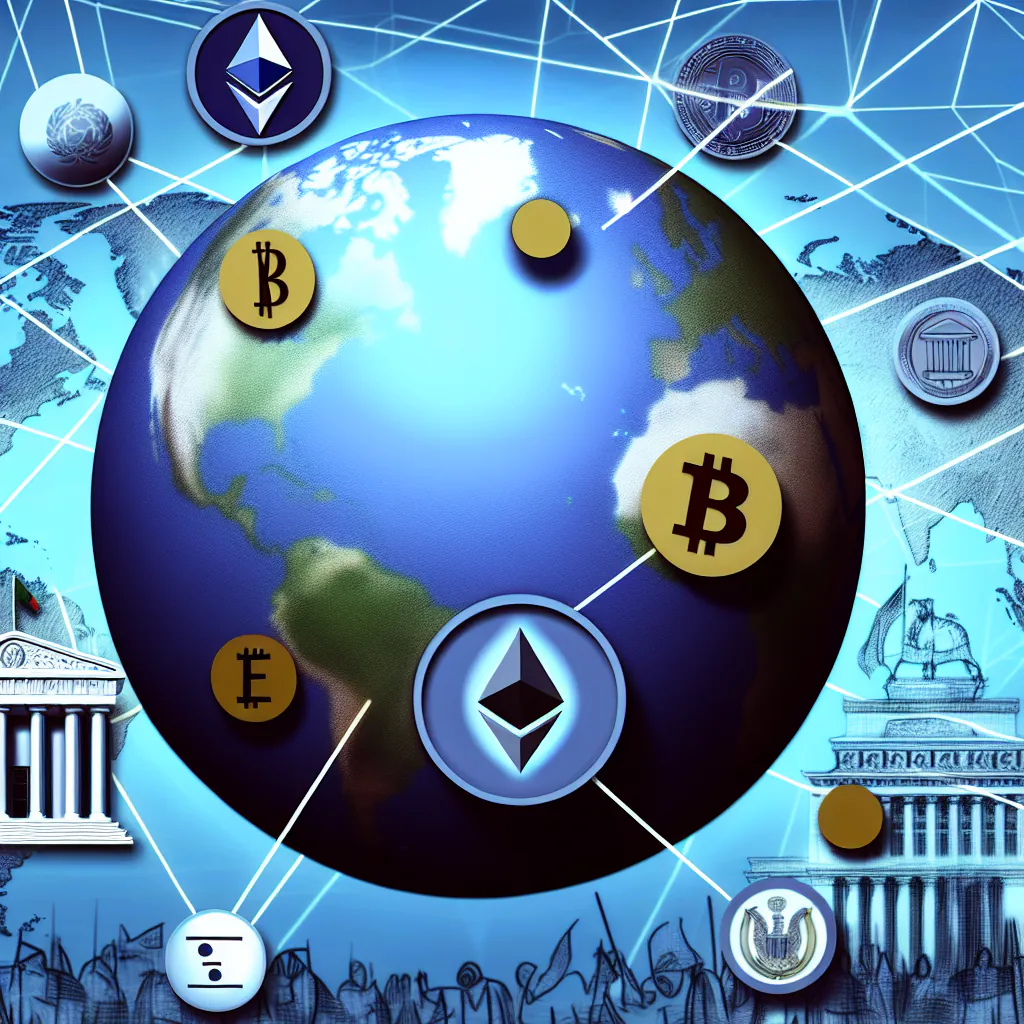
A World in Shock
In a world where economies resemble a constantly shifting puzzle, geopolitical crises hit like unforeseen tempests. The recent decision by the United States to withdraw from the WHO while freezing $260 million in debts caught many by surprise. This bold move reshapes the global diplomatic and economic landscape, akin to inserting a piece of surreal jazz into a classical symphony.
Neutrality seems to be the order of the day for several central banks, starting with the European Central Bank which maintains a balanced monetary policy, ready to adjust its tempo if the symphony of inflation demands. In Japan, the central bank takes a similar stance, prepared to raise its rates if necessary, while resisting the lure of hastening the tempo.
The African Context
On the African continent, the Moroccan Central Bank remains steadfast with its benchmark rate at 2.25%. In an economic choreography where movements must be calculated, Rabat's stability is an essential pivot. On the horizon, the BRICS and emerging economies seminar for 2025-2026 promises to reconfigure this global economic dance, bringing a new dimension to the stage.
A Fintech at the Heart of Challenges
In this ever-changing panorama, platforms like Belook are positioning themselves as modern referees of a more inclusive and connected finance. By offering services such as digital tontines and secure international payments, they are redefining the rules of the game.
Conclusion: Looking to the Future
As the world marches to the accelerated rhythm of successive crises, a connected and inclusive economy may be key to breaking the cycle of financial imbalances. Belook, along with other fintech actors, might just be the architect of this new paradigm.
#GlobalCrises #Economy #CentralBanks #Fintech #Innovation