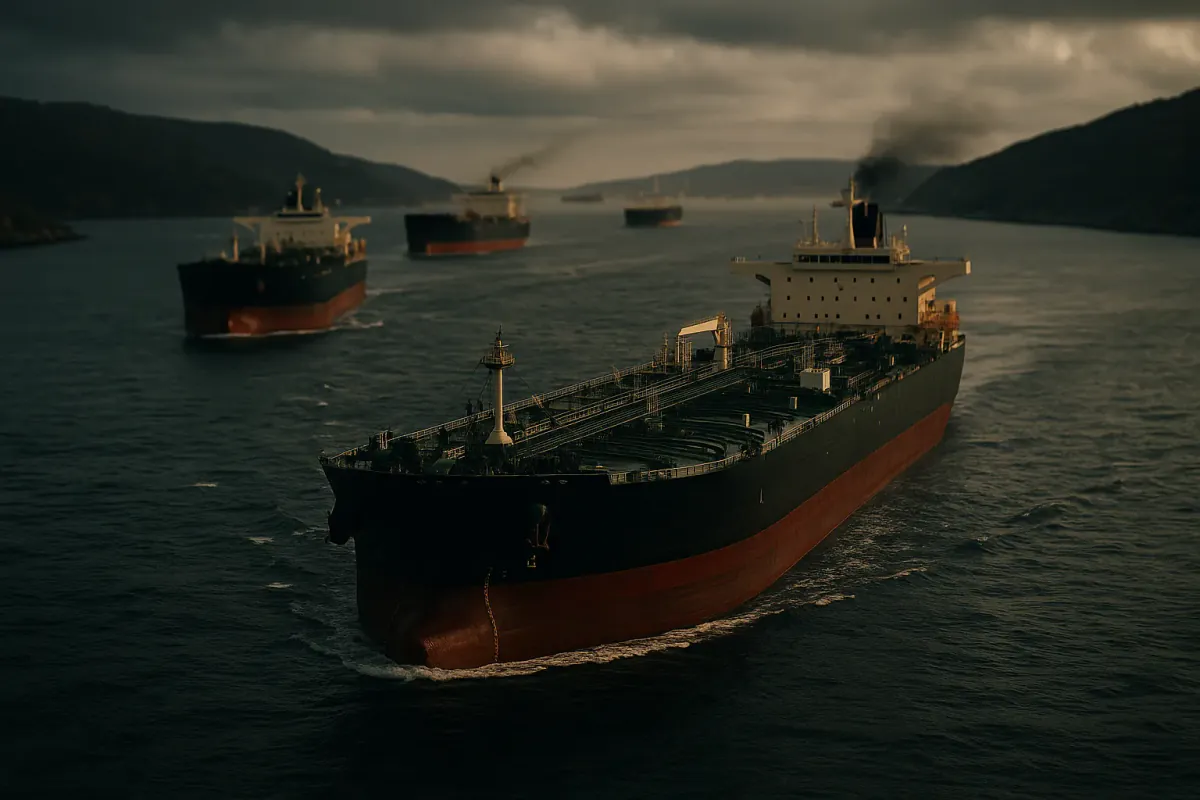
Oil shock: Why the Hormuz Strait closure matters now
On June 20, 2026, Iran announced the closure of the Strait of Hormuz following an exchange of fire between Israel and Hezbollah. This development sent immediate shockwaves through global oil markets, reminding the world of the precariousness of energy supplies. The Strait of Hormuz, a narrow passageway through which about 20% of the world's oil flows, is often regarded as a critical chokepoint for the global economy.
Economic Implications of the Closure
The closure of the Strait of Hormuz could have far-reaching repercussions on the global economy. If the disruption persists, oil prices might skyrocket, increasing energy costs for businesses and consumers. Countries heavily reliant on Middle Eastern oil imports, such as those in the European Union and Asia, could be particularly vulnerable.
Financial analysts fear that this oil shock could exacerbate inflation, a significant concern for many economies. Pierre Durand, economist at Global Insights, noted, "A surge in oil prices at this level could reignite inflation in economies already fragile after the pandemic and recent energy crises."
Central Bank Reactions
Central banks, already grappling with inflation challenges, must tread carefully. The European Central Bank (ECB) and the Federal Reserve might need to reassess their monetary policies. While the ECB had been considering a rate hike in July, the current situation could complicate these plans. An ill-timed tightening could choke economic growth without addressing inflationary pressures.
On the other side of the globe, the Bank of Japan, which was considering a possible rate increase, is closely monitoring energy price developments as core inflation in Japan remains stable but under pressure.
Financial Markets on Edge
Stock markets reacted to the news with increased volatility. Oil company shares gained, while sectors dependent on energy costs, such as transportation and logistics, suffered losses. A 10% increase in oil prices could potentially reduce corporate profit margins and affect household spending.
Furthermore, geopolitical tensions in the Middle East could exacerbate the fragility of financial markets. Investors are adopting a cautious approach, favoring safe-haven assets like gold.
What this means for you
- Energy budget: Expect higher gasoline and heating costs. Plan for additional budget allocations for these expenses in the event of prolonged oil price hikes.
- Investments: If you have exposure to energy-dependent sectors, consider diversifying your investments to mitigate risks associated with oil price volatility.
- Travel: Airfare prices could rise. Consider more rigorous planning of your trips to avoid last-minute fare hikes.
The Role of Fintechs in This Crisis
In the face of these disruptions, fintechs could play a crucial role in helping consumers and businesses navigate this uncertain environment. Solutions like multi-currency accounts from Belook allow users to manage currency fluctuations more effectively and diversify their holdings. Additionally, international transfer services provide more flexible payment options for those needing to make urgent cross-border transactions.
In conclusion, while the closure of the Strait of Hormuz is a geopolitical event, its economic repercussions may be felt worldwide. Consumers and businesses must prepare for uncertain times, where risk management becomes essential to navigate a volatile economic landscape.