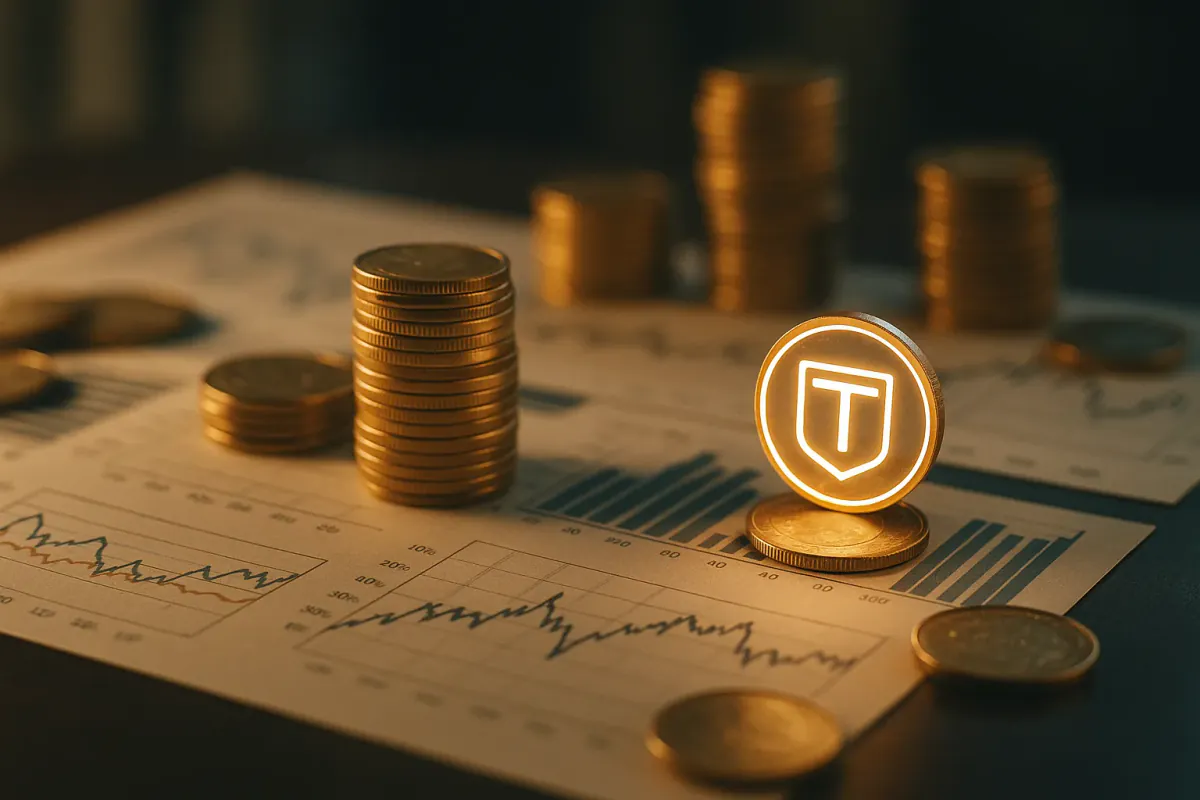
Tokenization of Real-World Assets: The New Financial Frontier
The tokenization of real-world assets (RWA) is reshaping the financial landscape in ways few anticipated. Today, the BNB Chain's RWA market has surged 60% to $3.6 billion, signaling a growing appetite for what might well be the future of finance. This phenomenal growth raises a crucial question: why are tokenized assets garnering so much attention now?
Tokenization involves converting tangible assets like real estate or artwork into digital tokens on a blockchain. This process offers greater liquidity, broader access, and reduced transaction costs. In a market where traditional returns are under pressure, this innovation presents potentially valuable diversification.Distinct Advantages of Tokenization
The rise of the RWA market offers several distinct advantages. Firstly, it democratizes access to asset classes traditionally reserved for institutional or wealthy investors. Imagine owning a fraction of a New York skyscraper or a Renaissance masterpiece directly from your mobile app.
Secondly, tokenization reduces transactional friction. Verification and settlement processes can be significantly sped up compared to current standards, which is particularly relevant in the era of instant cross-border payments and multi-currency accounts.
Implications for Major Institutions
Major financial institutions are taking notice. The Hong Kong Monetary Authority has recently established an expert panel on tokenized bonds, indicating a strategic recognition of the opportunities these technologies offer. Meanwhile, giants like Stripe, Visa, and Mastercard are exploring stablecoins to bolster stability and confidence in these new markets.
Jane Doe, Analyst at Global Finance: "Asset tokenization could transform how institutions perceive and interact with financial markets, offering both efficiency and accessibility."
Risks and Regulation: A Double-Edged Sword
Despite their potential, RWAs are not without risks. The lack of clear regulation and the legal complexity of fractional ownership are hurdles to overcome. However, frameworks like the CLARITY Act, which could provide crucial guidelines for assets like XRP, Ethereum, and Bitcoin, are in the pipeline.
The Growing Role of Fintechs in Tokenization
Fintechs, with their agility and innovation, are key players in riding this wave. For example, XEFFY has raised $20 million to develop institutional-grade vault and tokenized asset infrastructure for Web3. Platforms like Belook Vault are already facilitating the secure management of these digital assets.
The future seems poised for broader adoption. Companies that fail to adapt may find themselves left behind as this quiet yet definitive revolution in financial markets unfolds. The question is not if tokenization will transform the global economy, but how quickly and with what lasting impacts.