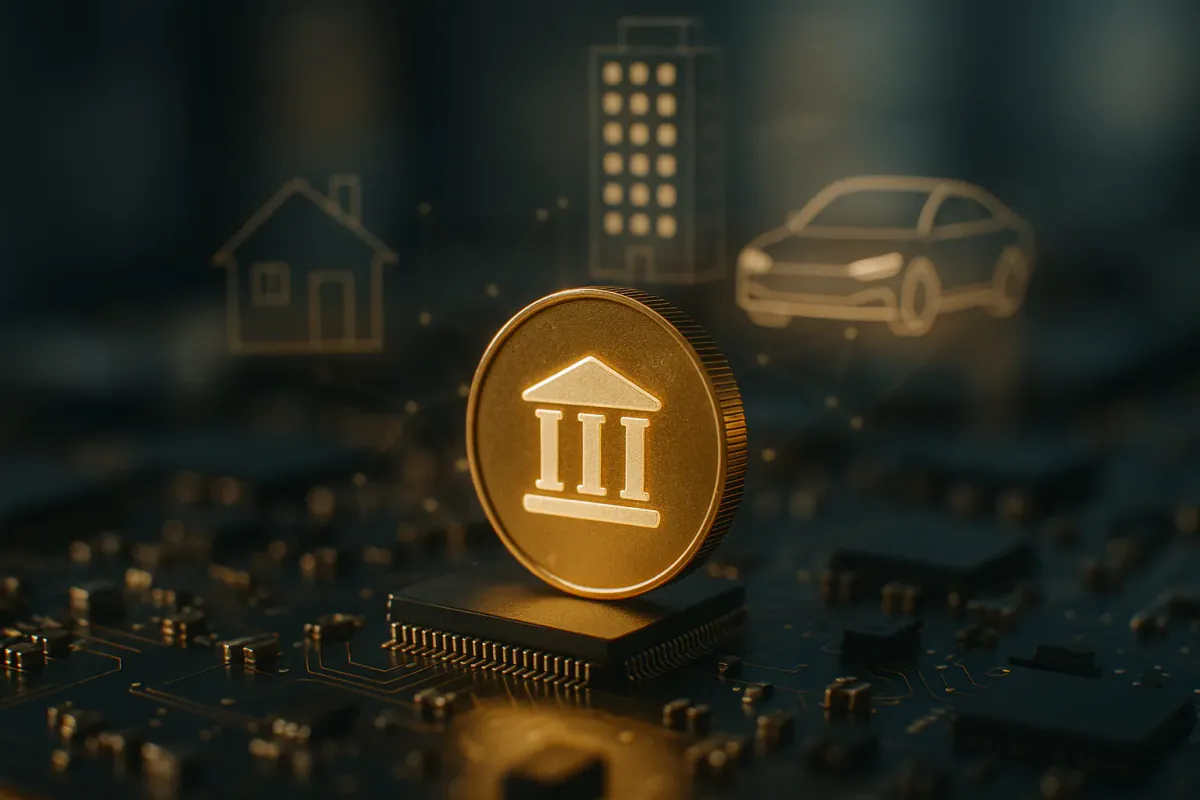
The Rise of Real-World Asset Tokenization
The digital finance market is abuzz this week as the XRP network reported its tokenized real-world assets ballooning to $4.18 billion—a staggering 28-fold increase in just one year. This development highlights a pivotal shift in how physical assets are beginning to integrate into the crypto ecosystem.
The growing excitement around real-world asset tokenization (RWA) is not unfounded. The potential benefits include increased liquidity, enhanced accessibility for retail investors, and improved market transparency. However, the question remains: can this trend truly transform the financial sector, or is it merely another speculative wave?
The Promises and Pitfalls of Tokenization
Tokenization promises to redefine asset ownership, enabling fractionalization that makes investments accessible even to small investors. This is an enticing concept for a market seeking diversity and financial inclusion. However, challenges related to regulation, security, and technological infrastructure cannot be underestimated.
Take Venezuela, for example, where tokenization could theoretically offer new resilience against economic instabilities. Yet, as noted by a Crypto Economy report, systemic barriers remain a significant issue, particularly concerning integration with traditional financial markets.
Sofia Hernandez, Analyst at Crypto Insights: "Real-world asset tokenization is promising, but it requires robust regulatory reforms to avoid risks of manipulation and fraud."
Financial Giants Enter the Arena
It comes as no surprise that major companies like Visa and Mastercard have recently expressed interest in stablecoins. They are even planning to launch their own stablecoin that could compete with established players like Circle. This move might not only stabilize the stablecoin market but also accelerate institutional adoption of cryptocurrencies.
This strategic pivot by financial giants could provide the credibility needed for tokenization to advance beyond the experimental stage. It may also bring about clearer regulations, facilitating integration into the global financial system.
Implications for Fintech Platforms
For platforms like Belook, which integrate advanced financial services, tokenization represents an opportunity for diversification. The ability to handle tokenized assets could enhance offerings, ranging from digital vaults to escrow services, paving the way for new forms of secure investment.
The Future of Tokenized Finance
As the market continues to grow and evolve, the tokenization of real-world assets could well be the catalyst for a new financial era. However, for this promise to be realized, overcoming current obstacles related to regulation and infrastructure is crucial.
The coming months will be pivotal in determining whether real-world asset tokenization will deliver its promises or encounter the same pitfalls as previous financial innovations. The commitment of regulators, coupled with technological innovation, will be essential in turning this vision into reality.