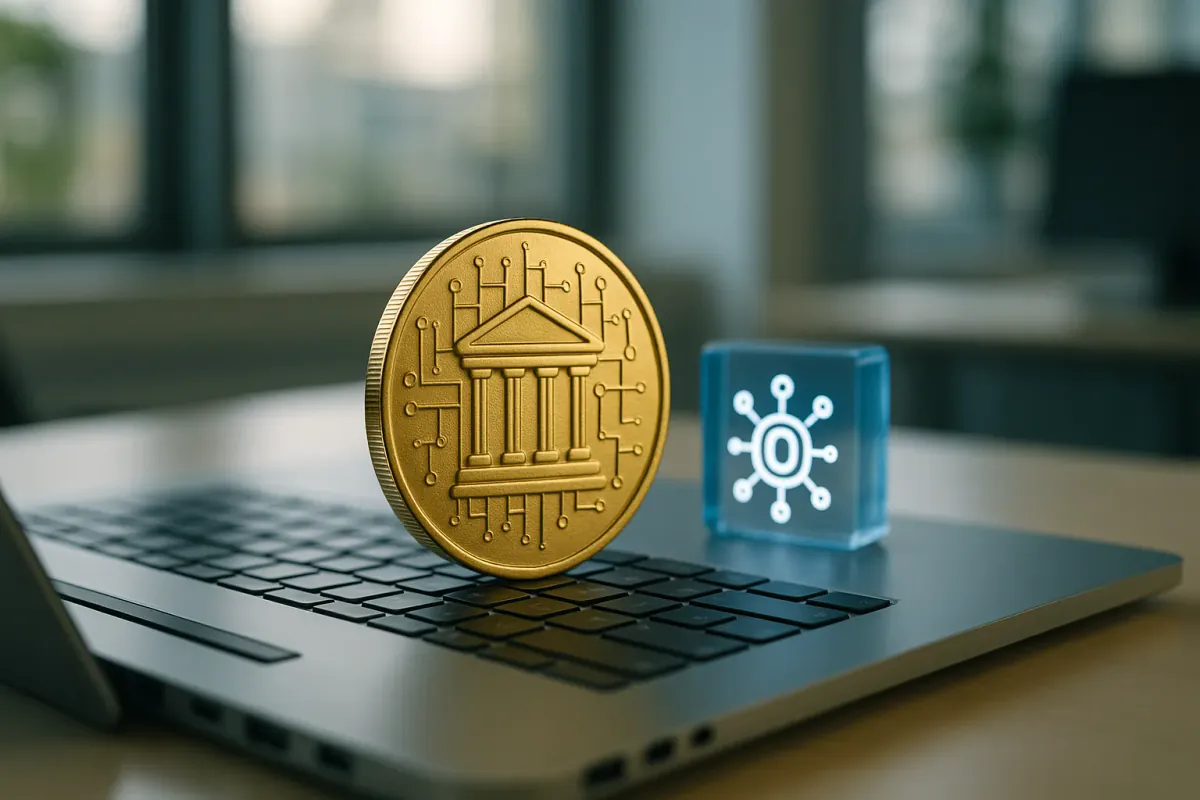
Real World Asset Tokenization: An Emerging Opportunity
Real World Asset (RWA) tokenization is emerging as the next major step for blockchain, promising to transform financial markets by creating digital versions of tangible assets such as real estate, stocks, or bonds. According to Forbes, Kula, a rising platform, estimates that the untapped potential of this market stands at $31 billion. Tokenization could democratize and streamline access to these assets, but it also raises significant regulatory and technological challenges.
Why RWA Tokenization is Gaining Attention
With the growing number of active users on the Ethereum network, reaching 13.2 million in the first quarter of 2026, blockchain is becoming an increasingly viable tool for financial transactions. Ondo Finance has recently expanded its offerings with 173 tokenized stocks and ETFs available across major blockchains. These developments indicate a growing interest in RWA tokenization, offering increased liquidity and accessibility to traditionally illiquid assets.
Jean-Marc Duval, Analyst at Blockchain Insights: "Real world asset tokenization might be the economic lever that makes blockchain indispensable for traditional financial markets."
Challenges of Tokenization
Real world asset tokenization is not without challenges. Issues of liquidity, security, and regulation remain significant hurdles. Additionally, as highlighted by the Financial Times, stablecoins, which often back these tokenized assets, face criticisms regarding their stability, likened to the "Coppernose," a debased currency by Henry VIII. This underscores the need for robust infrastructure to support the value of tokens in volatile markets.
The Role of Stablecoins and Tech Companies
Visa and Mastercard have recently announced that they are developing a stablecoin likely to overshadow Circle, one of the leading stablecoin issuers. This development signals an increased interest from tech companies in creating a stable, reliable infrastructure for asset tokenization. This could potentially stabilize and further legitimize tokenized finance.
Implications for the Future of Finance
Real world asset tokenization could transform asset access and management for both individual and institutional investors. By making assets more easily tradable, it can enhance market liquidity and offer new investment opportunities.
However, for tokenization to reach its full potential, clear regulatory frameworks and broader technological adoption are necessary. Platforms like Belook Pay can play a crucial role in facilitating these transactions, with fast and secure international transfer services.
Future Outlook
The continued expansion of blockchain infrastructure and the increasing involvement of financial and tech giants bode well for the future of real world asset tokenization. But for this promise to be realized, key players must overcome current regulatory and technological challenges.
suggested_tags: ["#crypto","#blockchain","#stablecoins","#tokenization"]