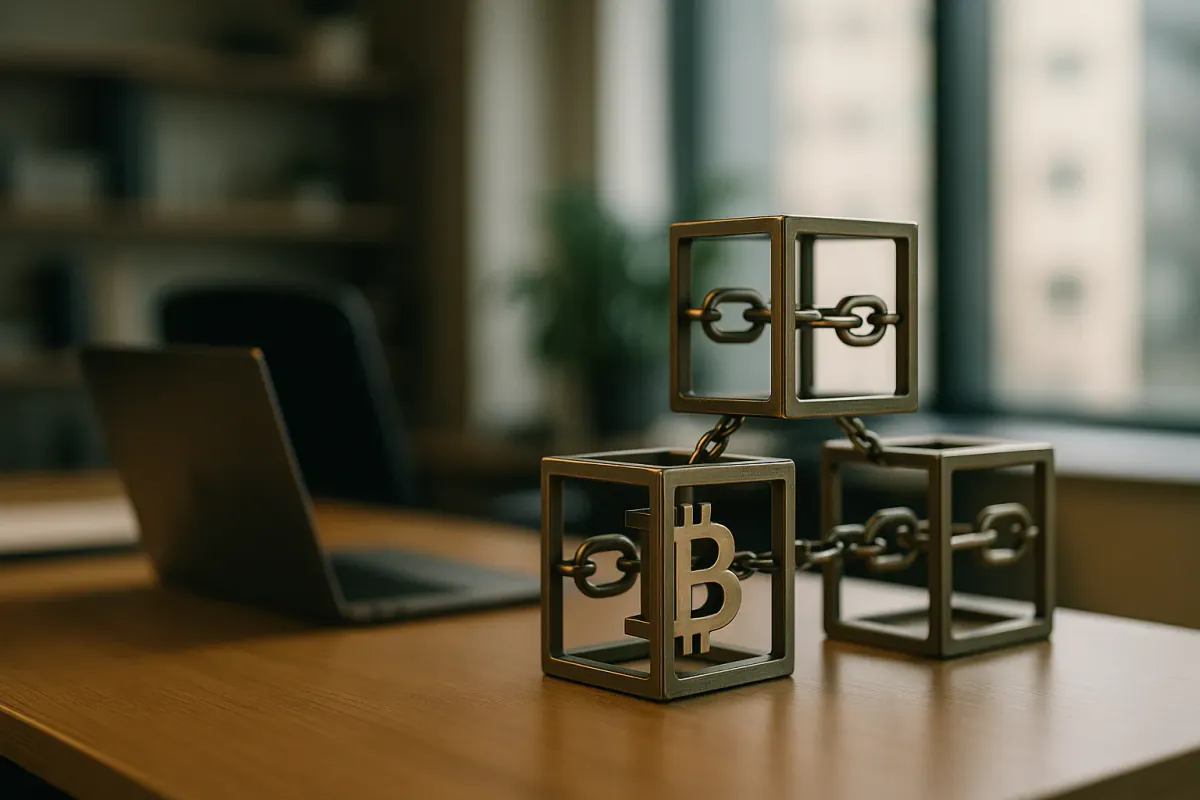
RWA Tokenization Boosts in Philippines
A quiet yet potentially revolutionary transformation is sweeping through the global financial landscape: the tokenization of Real World Assets (RWA). The Philippines, with backing from the US SEC, is spearheading an ambitious project to test and promote the tokenization of traditional assets. This initiative could catalyze a multi-billion-dollar market.
#### Why the Philippines?
The Philippines has been selected as a testing ground for several strategic reasons. Firstly, the country has shown remarkable openness to blockchain adoption, supported by a young, tech-savvy population. Additionally, its flexible regulatory framework for cryptocurrencies and fintech makes it an ideal candidate for piloting real-world asset tokenization projects.
The rapidly expanding economy of the Philippines also offers a dynamic environment for testing these new technologies. With an emerging middle class and fast-paced urbanization, there is a growing demand for innovative financing and investment solutions.
#### The Promises of Tokenization
Tokenizing real-world assets promises to revolutionize investment access by making it more accessible, transparent, and liquid. By converting assets like real estate, art, and even company shares into digital tokens, barriers to entry for smaller investors are significantly lowered.
This could lead to unprecedented democratization of capital access and a new wave of economic growth, not only in the Philippines but also in other emerging markets closely monitoring this experiment.
Marie Sanchez, Financial Analyst: "Real-world asset tokenization could be as revolutionary as the introduction of ETFs in the 1990s."
#### Challenges to Overcome
Despite its promises, asset tokenization is not without challenges. Trading platform security, regulatory compliance, crypto market volatility and the need for robust technological infrastructure are significant hurdles.
The Philippines, with its developing regulatory framework, will need to ensure that new technologies are implemented in a way that protects investors and prevents fraud. This requires close collaboration between regulators, private companies, and financial institutions.
#### Potential Impact on Financial Markets
If the Philippine initiative succeeds, it could serve as a model for other nations and transform global financial markets. Asset tokenization could not only improve market liquidity but also enable greater integration of emerging markets into the global financial system.
A well-designed infrastructure for tokenization could also spur innovation in financial products, such as digital savings vaults and smart contracts for international transfers, all of which could benefit from this new technology.
What this means for you
- Increased Accessibility: Tokenization allows more investors to access previously inaccessible assets.
- Cost Reduction: Transaction fees could significantly decrease due to more efficient and automated processes.
- Transparency and Security: Enhanced traceability of transactions and assets through blockchain.
As the Philippines pioneers RWA tokenization, it may well lead the charge into a new era of financial innovation, paving the way for a new generation of fintech products and services.