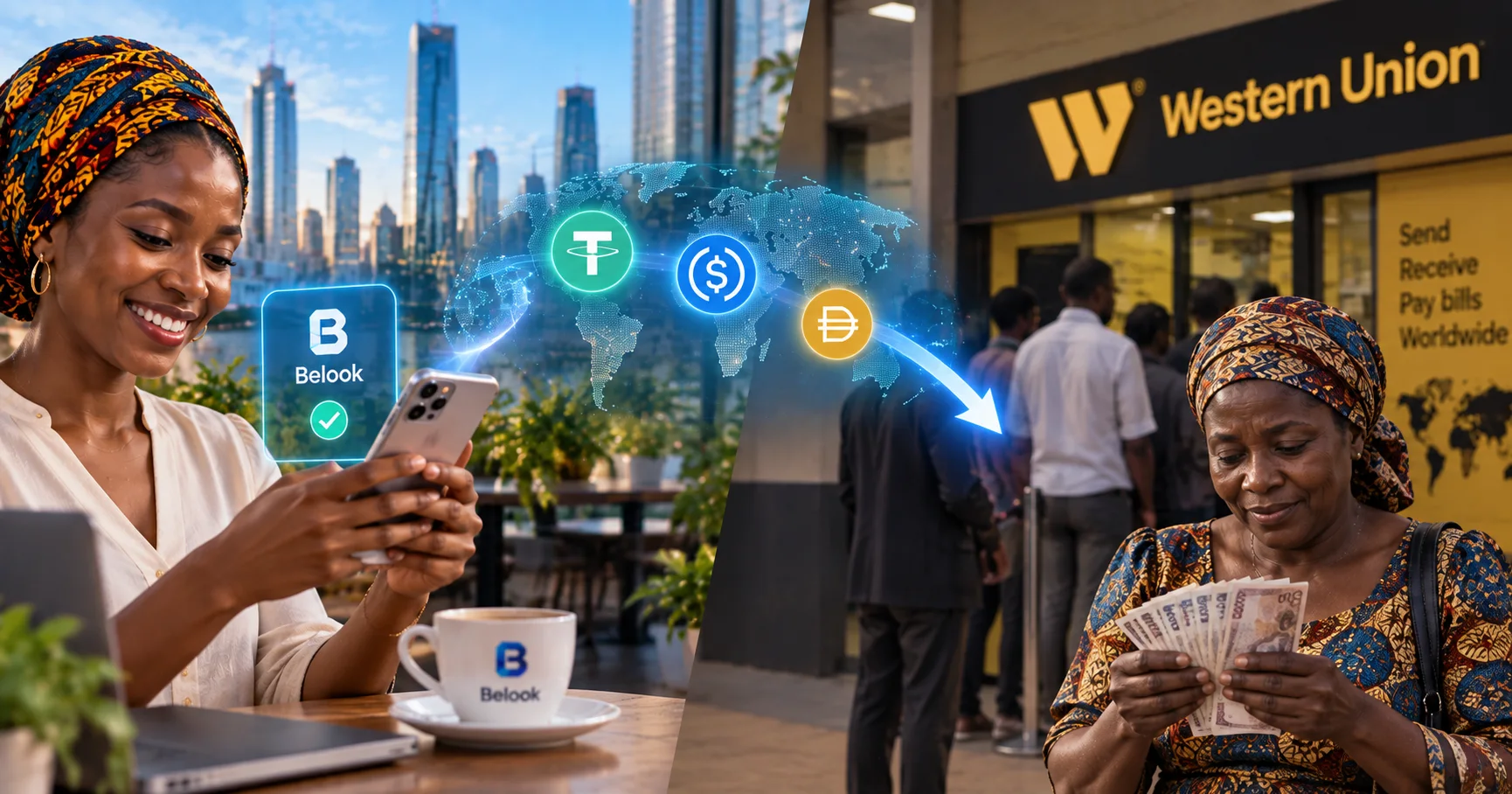
Stablecoins vs Western Union: The Inevitable Clash
The stage is set for a duel that could reshape the money transfer market: stablecoins versus Western Union. Recently, Polygon and TRON announced a partnership to integrate a $94 billion stablecoin network into U.S. banking rails. This marks a significant shift towards real-time payment infrastructures. As per CoinDesk, this initiative could redefine how transfers are conducted globally.
Stablecoins are starting to compete with established giants like Western Union by offering speed and reduced costs.
Why is this happening now?
Stablecoins have emerged as a credible alternative to traditional transfer methods. By 2026, their adoption has surged, offering a stability often missing in volatile cryptocurrencies. According to Finextra, banks now view stablecoins as an essential proposition for the future of digital money.
Western Union, on the other hand, continues to dominate the money transfer market with a globally established infrastructure. However, the sluggishness and high fees of traditional transfers remain a burden on their competitiveness against digital alternatives. For instance, transferring 1000 USD via Western Union can cost up to 50 USD in fees, based on various market studies.
Implications for the market
The increasing adoption of stablecoins leads to a real-time payment infrastructure, potentially transforming not only the transfer sector but the entire global financial ecosystem. Traditional payment rails like those used by Western Union risk losing significant market share if these trends continue.
Granted, the adoption of stablecoins is not without challenges. Regulatory and security issues remain as major hurdles to overcome before they can fully replace traditional systems. According to Payments Dive, payment revenues have recently significantly contributed to bank profits, underscoring the economic importance of these infrastructures.
Pros and cons of stablecoins
The benefits of stablecoins are numerous:
- Transparency and traceability: Blockchain technology allows real-time tracking of transactions.
- Reduced costs: Transaction fees are often much lower than those of traditional services.
- Accessibility: Stablecoins improve access to financial services for the unbanked.
However, security concerns persist. Stablecoins are subject to potential cyberattacks and require robust compliance and security measures.
What this means for you
- Lower costs: International transfers could become much cheaper.
- Wider access: More people will be able to transact without relying on traditional banks.
- Increased speed: Real-time transfers will reduce waiting times.
In the coming months, we should closely monitor regulatory advancements that could influence these trends. The transfer market is at a decisive turning point. According to experts, now is the time to evaluate these new options for international transfers.
For more insights, visit our crypto and stablecoins dossier.
Stablecoins represent a $94 billion transfer solution thanks to the Polygon-TRON partnership.