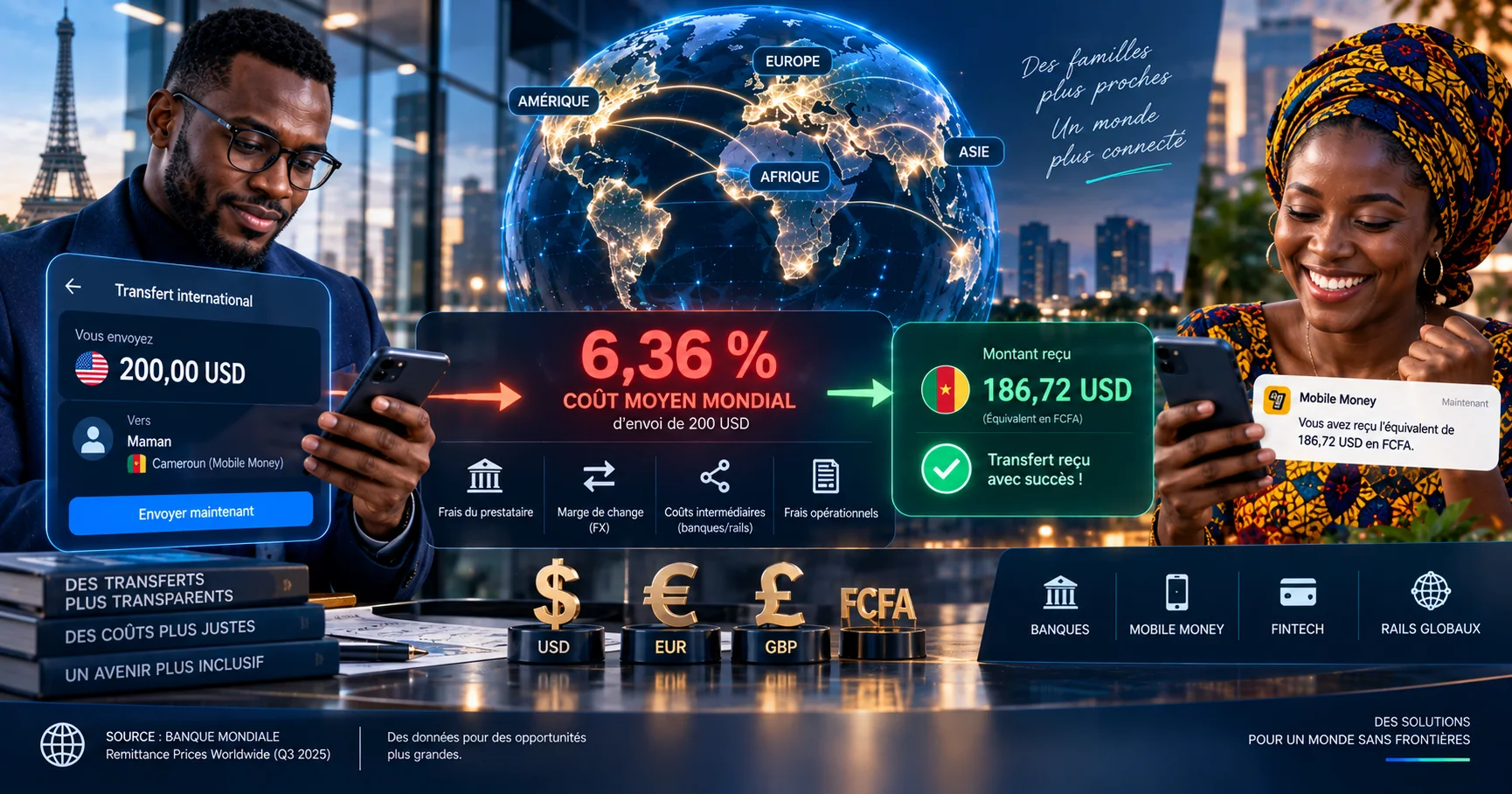
Transfer fees: Why 6.36% in 2026?
Despite rapid technological advancements, sending money internationally still costs an average of 6.36% in 2026, according to the World Bank. This figure seems incongruous in an era of instant digital payments. Why do these fees remain so high as payment infrastructures evolve rapidly?
A Changing Payment Infrastructure
The global payment infrastructure is shifting towards faster and more efficient systems. Initiatives like the partnership between Polygon and TRON, which aim to offer an alternative to traditional banking rails for cross-border transfers, signify a substantial advancement. However, these innovations must still contend with established banking systems.
The true payment revolution is not just technological; it's also cultural.
Reasons Behind Persistently High Fees
High transfer fees persist mainly due to infrastructure costs, regulatory policies, and the profit margins of financial intermediaries. According to Payments Dive, revenue from payments continues to bolster bank balance sheets, offering little incentive to reduce fees.
Yet, pressure is mounting. Fintech players like Belook, with its international transfer services, offer more affordable alternatives, forcing traditional players to rethink their pricing models.
The Impact of Digital Currencies
The rise of stablecoins and cryptocurrencies could alter the landscape. With the potential for nearly fee-free transactions, digital currencies challenge traditional models. However, their adoption is hindered by regulatory and security concerns.
According to CoinDesk, the partnership between Polygon and TRON is an attempt to overcome these hurdles, but the transition to widespread adoption remains challenging.
The Future: Lower Fees Ahead?
Transfer fees might decrease with the growing adoption of new technologies and fintech competition. Nevertheless, infrastructure and regulatory issues remain significant barriers.
6.36% is the average cost of an international transfer in 2026. The World Bank reports this figure remains stable despite technological advances.What this means for you
- Explore alternatives: Use fintech services like Belook for cheaper transfers.
- Learn about digital options: Stablecoins offer potential cost savings for transfers.
- Anticipate innovations: Stay informed on developments to adjust your financial habits.
With increasing pressure from new technologies and fintech players, transfer fees might finally decrease. Keep an eye on regulatory and technological announcements to optimize your financial choices.