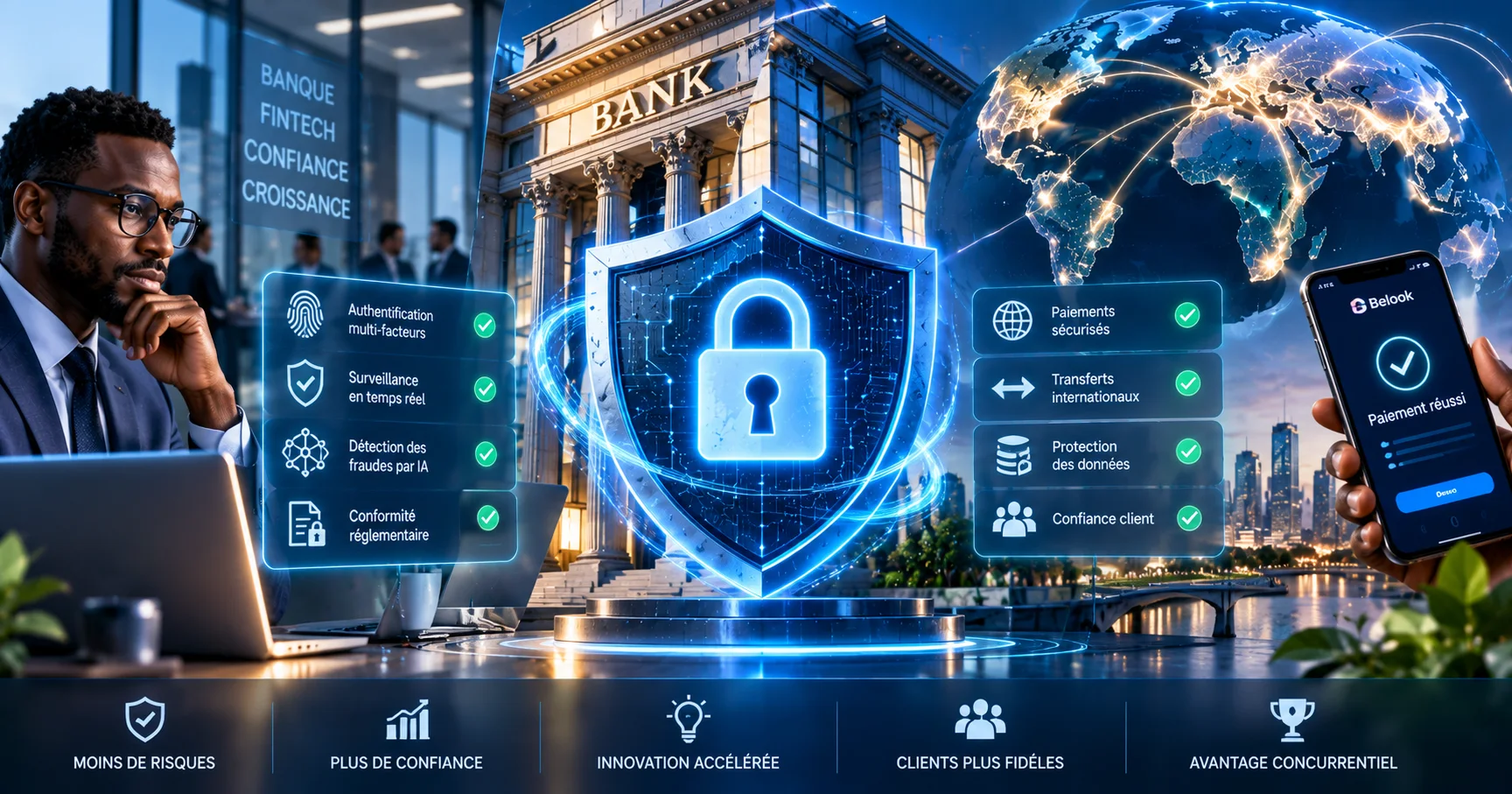
Bank Security: A Strategic Competitive Edge
On October 2, 2026, Dark Reading reported malicious Linux implants mimicking Asian security products. The malware targets mail servers, which are often assumed to be safe because they run on Linux. That assumption is wrong. Attackers are now writing code that looks like the very tools administrators trust. For banks, the lesson is blunt: the perimeter keeps moving, and bank security is no longer a back-office concern. It is a boardroom issue.
Cyberattacks are getting more sophisticated. As Dark Reading notes, these new threats are aimed at critical infrastructure, which raises the pressure on banks to harden their defenses. The implants don't just steal data. They sit quietly, mimic legitimate software, and wait. That kind of patience is expensive to detect and even more expensive to ignore.
88% of consumers would choose a bank based on its security reputation, which shows how much cybersecurity matters for customer retention. That figure isn't a slogan. It's a market signal. If nearly nine in ten customers weigh security when picking a bank, then a breach isn't just an IT failure. It's a revenue event.Security is often treated as a cost center. That's a mistake. When security is built into the business strategy, it protects customer assets and drives growth by deepening trust and loyalty. A bank that can prove its defenses work can charge for that confidence, or at least keep customers who would otherwise leave after a scare.
The Changing Regulatory Landscape
The European Central Bank recently set out a series of decisions that go beyond interest rates. According to the ECB, these measures aim to strengthen the security and resilience of financial systems, especially against new digital threats. The ECB also outlined three models for putting central bank money onchain, a sign that regulators are thinking about settlement infrastructure, not just supervision.
Regulation shouldn't be seen as a hindrance. It's a framework that creates room for innovation. Banks that adopt these standards early can differentiate themselves through better security, which makes them more appealing to clients worried about data protection. The cost of compliance is real, but so is the cost of being the last institution to meet a new baseline.
Take the ECB's onchain money models. If central bank money moves onto distributed ledgers, the security requirements change. Banks will need to secure not just their own systems but the connections between them. That's a new layer of spending, and it favors institutions that already have strong controls in place.
Security as an Innovation Lever
Innovation in security can turn a standard financial institution into an industry leader. Solutions such as Belook's secure escrow become key building blocks for user trust. Escrow is a simple idea: hold funds until both sides deliver. But doing it securely across borders and currencies is hard. The banks that get it right can offer something fintechs struggle to match.
Today's consumers want fast, friendly services and high-quality security. Banks that combine both are best positioned to capture market share. The trade-off between convenience and safety is mostly false. Customers will accept a few extra seconds of verification if they believe their money is safer.
Security should be a catalyst for innovation and growth, not a barrier.
That quote isn't just aspirational. It's a description of how the best-run banks already operate. They treat security as a product feature, not a tax.
Real-World Examples of Successful Integration
New York and Wyoming are setting an example with coordinated crypto oversight, as Crowdfund Insider reports. The two states aim to harmonize rules and target six-month licensing reviews for established firms. That kind of coordination creates a safer environment for innovation because companies know what to expect and regulators share information.
Institutions that invest in cybersecurity protect their assets and open new business lines. A bank with a strong security record can offer custody, escrow, and cross-border payment services that others can't. Security becomes a competitive differentiator, not a cost to be minimized.
Consider the numbers. The US economy added just 29,000 jobs in September, according to the Financial Times. That's a sharp slowdown. When hiring weakens, consumers get more careful about where they keep their money. They look for stability. A bank that can prove it won't lose their deposits to a breach has an edge.
Meanwhile, bitcoin surged to $86,000 as "Uptober" started, Decrypt reported. ETF demand returned before the next US jobs test, according to CryptoSlate. Bitcoin dominance neared 60%, a sign traders are in risk-on mode, CoinDesk noted. And the cheap-money era for crypto is over, CryptoSlate argued, even as bitcoin survived 5% yields.
What does that mean for a bank? When crypto rallies, more customers move money into exchanges and wallets. Each transfer is a security event. If a bank can offer a secure on-ramp, it keeps the customer relationship. If it can't, the customer goes elsewhere. The same logic applies to the $17 billion Russia-linked crypto payment network using USDT as an escape route, which US authorities are targeting, according to CryptoSlate. Banks that can spot and block such flows protect themselves from fines and reputational damage.
Fintech is in its empire-building era, Tearsheet argued. That means more consolidation, more scale, and more targets for attackers. UK fintech Zilch is moving toward a 2027 London IPO, Crowdfund Insider reported. As fintechs grow, they'll need bank-grade security. Some will build it. Others will buy it. Either way, the demand for security talent and tools will rise.
Even waste is becoming a financial asset. A startup turning used cooking oil into cash just raised $1m for growth, Benjamin Dada reported. That's a reminder that new revenue streams often come with new security risks. Every new payment flow is a new attack surface.
What this means for you
- Bank choice: Prioritize institutions that emphasize security to ensure the protection of your funds and data.
- Increased trust: A bank with a strong security reputation inspires more trust and engagement.
- Secure innovation: Services like multi-currency accounts can offer secure and innovative transactions.
Bank security is no longer just a shield against attacks. It's a springboard for differentiation and growth. In 2026, successful banks don't simply react to threats. They anticipate them and turn security into a strategic asset. The ones that do will keep customers, attract deposits, and earn the right to innovate. The ones that don't will become case studies.
Sources
- Dark Reading — Malicious Linux Implants Mimic Asian Mail Security Products (2 October 2026)
- ECB Press — Decisions taken by the Governing Council of the ECB (in addition to decisions setting interest rates) (2 October 2026)
- Crowdfund Insider — New York and Wyoming to Coordinate Crypto Oversight, Targeting Six-Month Licensing Reviews for Established Firms (2 October 2026)